Edul@b and the WINDEE project advance towards digital well-being in education from Vilnius
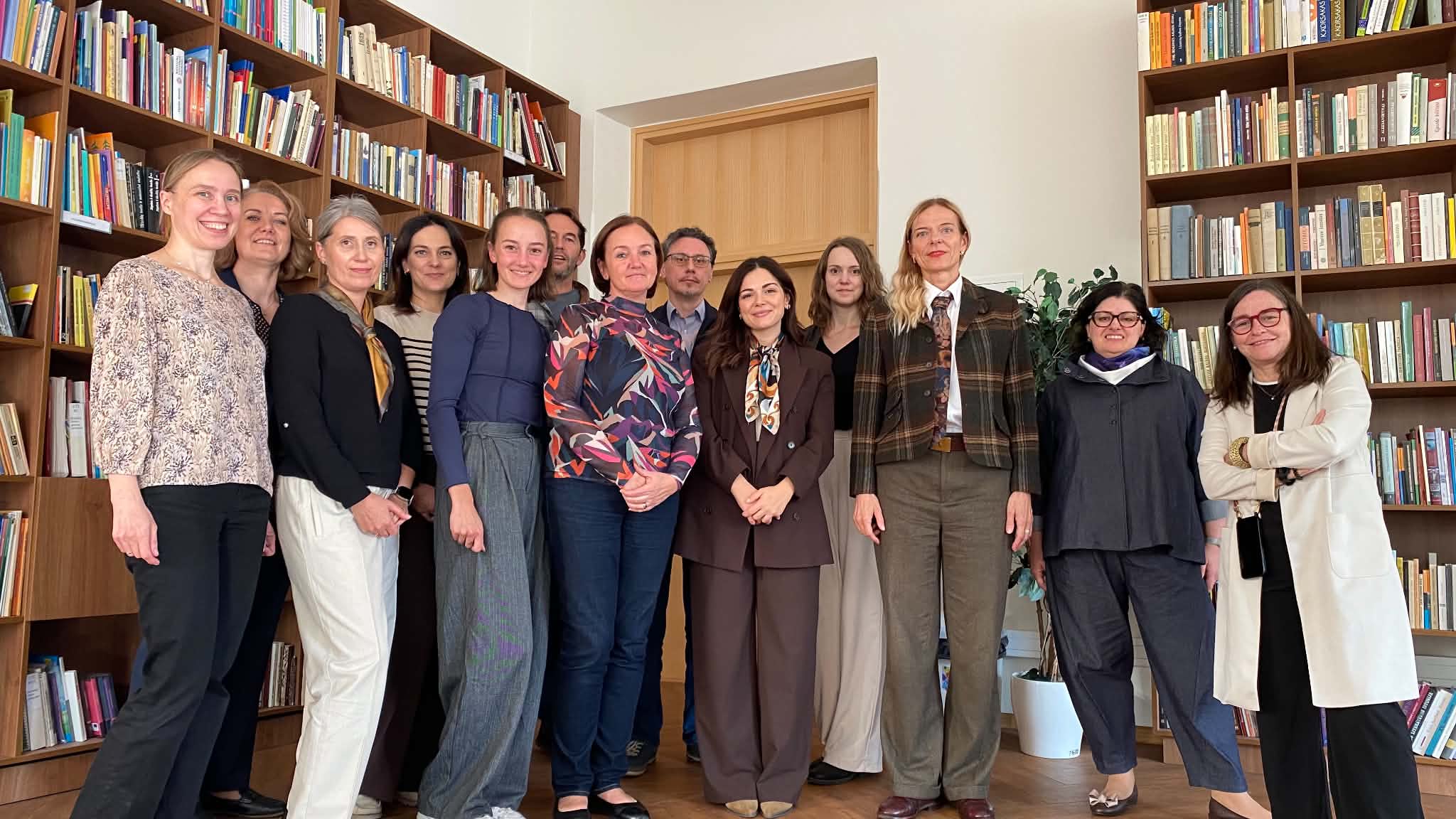
On September 29 and 30, we held the 4th meeting of the WINDEE project in Vilnius, hosted by the National Education Agency of Lithuania. It was a great opportunity for project partners to connect and share strategies to continue advancing the project’s objectives.
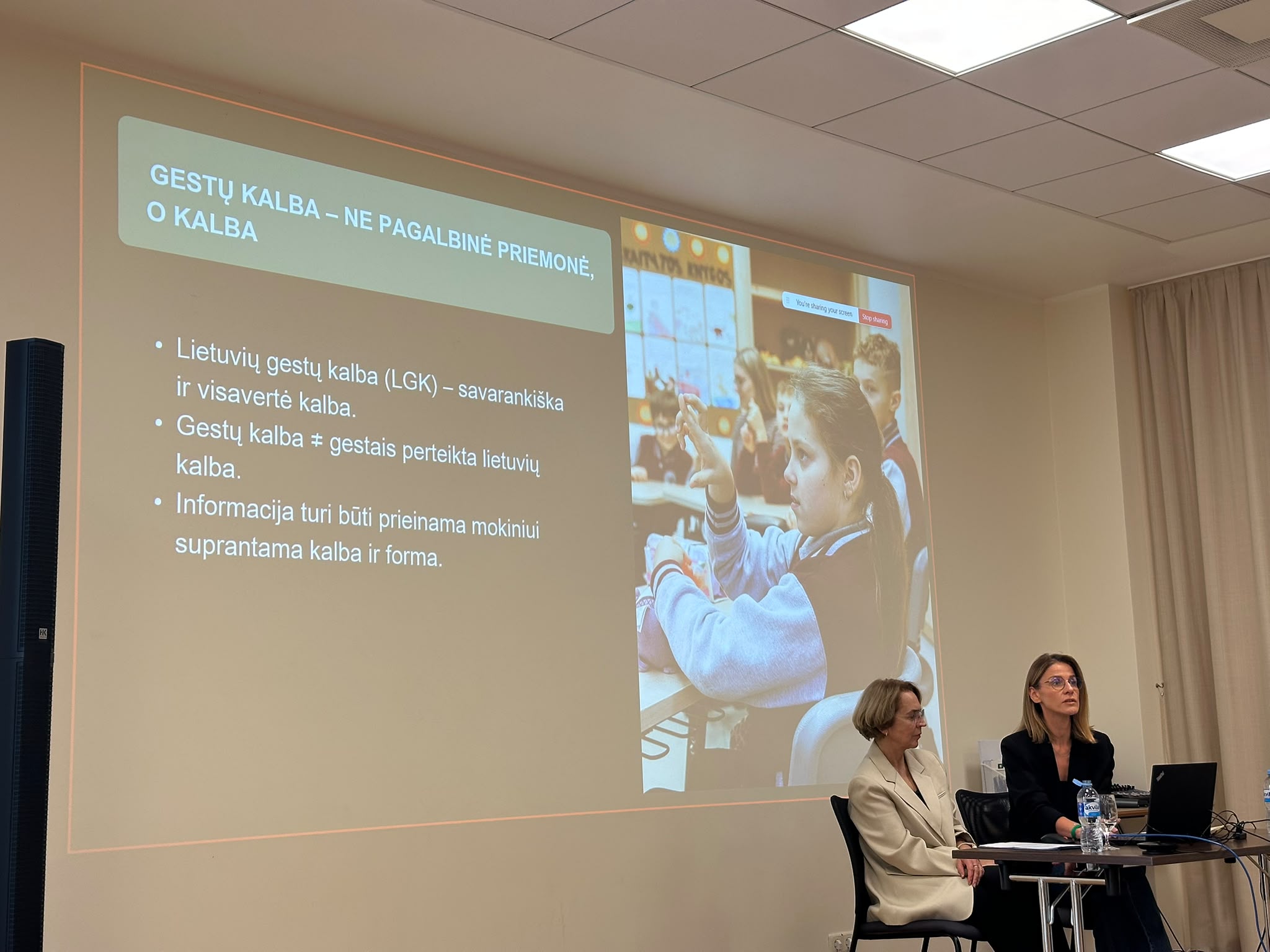
Dr. Montse Guitert and Dr. Pablo Baztán presented the first version of the Windee Handbook on Digital Well-being and Education, the main output of the work package led by the Edul@b Research Group—part of the Futures of Education in the Digital Age Research Centre (UOC-FuturEd) at the Faculty of Education of the Open University of Catalonia (UOC). Additionally, on the first day, they attended a workshop in Birštonas where representatives from Lithuania’s public administration, academia, and teaching community shared their experiences and needs regarding the advancement of digital well-being.
An online course on digital well-being, aimed at teaching staff and accredited by EDEN, is scheduled to be offered in November.
Discover the project WINDEE (Well-being in Digital Education Ecosystem)

Consortium: Vytautas Magnus University (Lithuania), EDEN (Estonia), Educraftor (Finland), EUN (Bèlgica), Universitat Oberta de Catalunya (Spain), Knowledge Innovation Centre (Malta), National Agency For Education (Lithuania) and Tallinn University (Estonia).
Description: The well-being of students and educators in digital education is crucial. Our policy experimentation project addresses the lack of understanding, strategies, and coordinated policy efforts in this area. We gather evidence, create solutions, and conduct experiments to refine and implement systemic policy changes. The project begins with comprehensive evidence gathering through research, evaluation, and policy mapping regarding digital well-being. Subsequently, we develop the Digital Well-being Framework, which integrates: person-specific factors, including digital competencies and health considerations; context-specific factors involving the educational environment, learning design, and school culture; and device-specific factors related to types of digital devices and best practices for safe and balanced use.
Period: 2025-2028
Web: https://windee.eu
Code: 101195779
Supported by: European Commission
Call: Erasmus+ Policy Experimentation projects 2024 (European Commission)
UOC Budget: 130.557,00 €
Josep M. Duart
Teresa Romeu
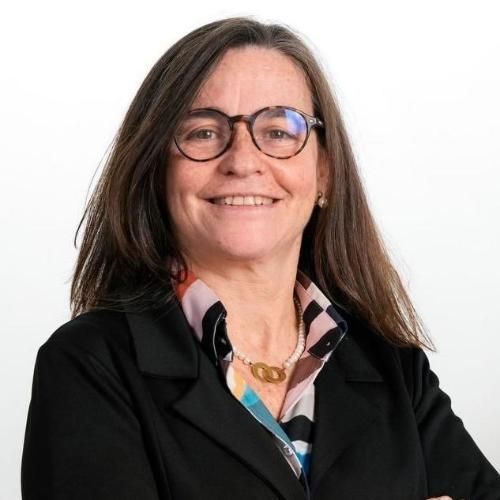
Montse Guitert
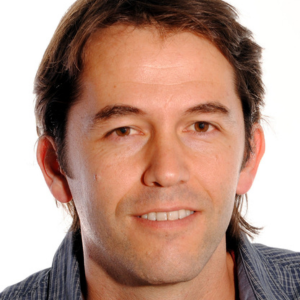
Pablo Baztán
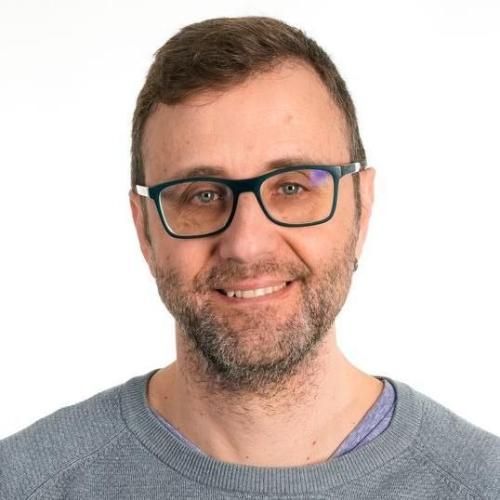
Marc Romero