Interview with Dr. Marc Romero: “GenAI can present an opportunity to learn and move forward together”
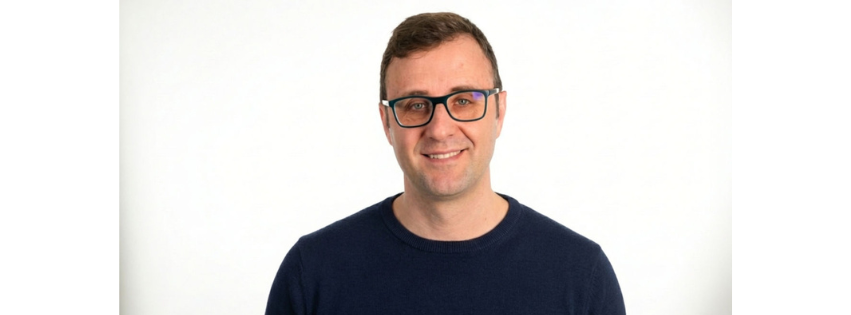
Dr. Marc Romero, researcher from Edul@b Research Group and new Coordinating Editor‑in‑Chief of International Journal of Educational Technology in Higher Education (ETHE), in an interview with the Open University of Catalonia (UOC), he reflects on the impact of generative artificial intelligence (GenAI) on universities and research. His vision combines pedagogical opportunities with a clear idea: AI must support scientific thinking, not replace it.
The emergence of AI forces a rethinking of basic university concepts: “Universities are adapting to a new landscape in which it’s not always easy to distinguish between students’ own work and content generated with the assistance of AI tools”. We need to redefine what it means to learn, how students are assessed, and, at the same time, what the role of teachers is. The great challenge is not only technical but also educational. In other words, we need to redefine learning and guarantee academic quality. All of this while taking into account the potential of new technologies.
In this sense, critical thinking becomes central. Making responsible use of GenAI is vital to strengthening digital competence, including the ethical dimension. It is also essential to understand the biases and limitations of new digital tools. GenAI offers many opportunities, but we must use them well, especially in the case of students and their education: “Honing students’ critical thinking means helping them to embrace an active attitude towards knowledge“.
GenAI is a transformative element of the university, but the central value will continue to be human: form questions, interpret, argue and construct knowledge with judgment. Technology can reinforce research, but never abandoning scientific thought: “GenAI can be a useful support tool in research when used responsibly and without replacing scientific judgement“.
First letter of Dr. Marc Romero as ETHE’s Coordinating Editor‑in‑Chief