Edul@b and UOC UNESCO Chair participate in MICRO 2026, the world congress on plastic pollution
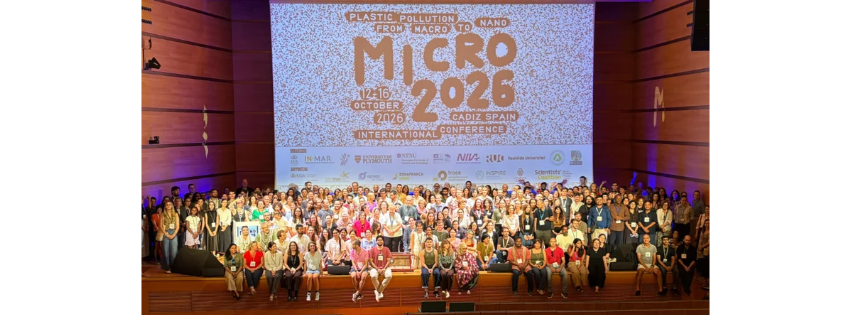
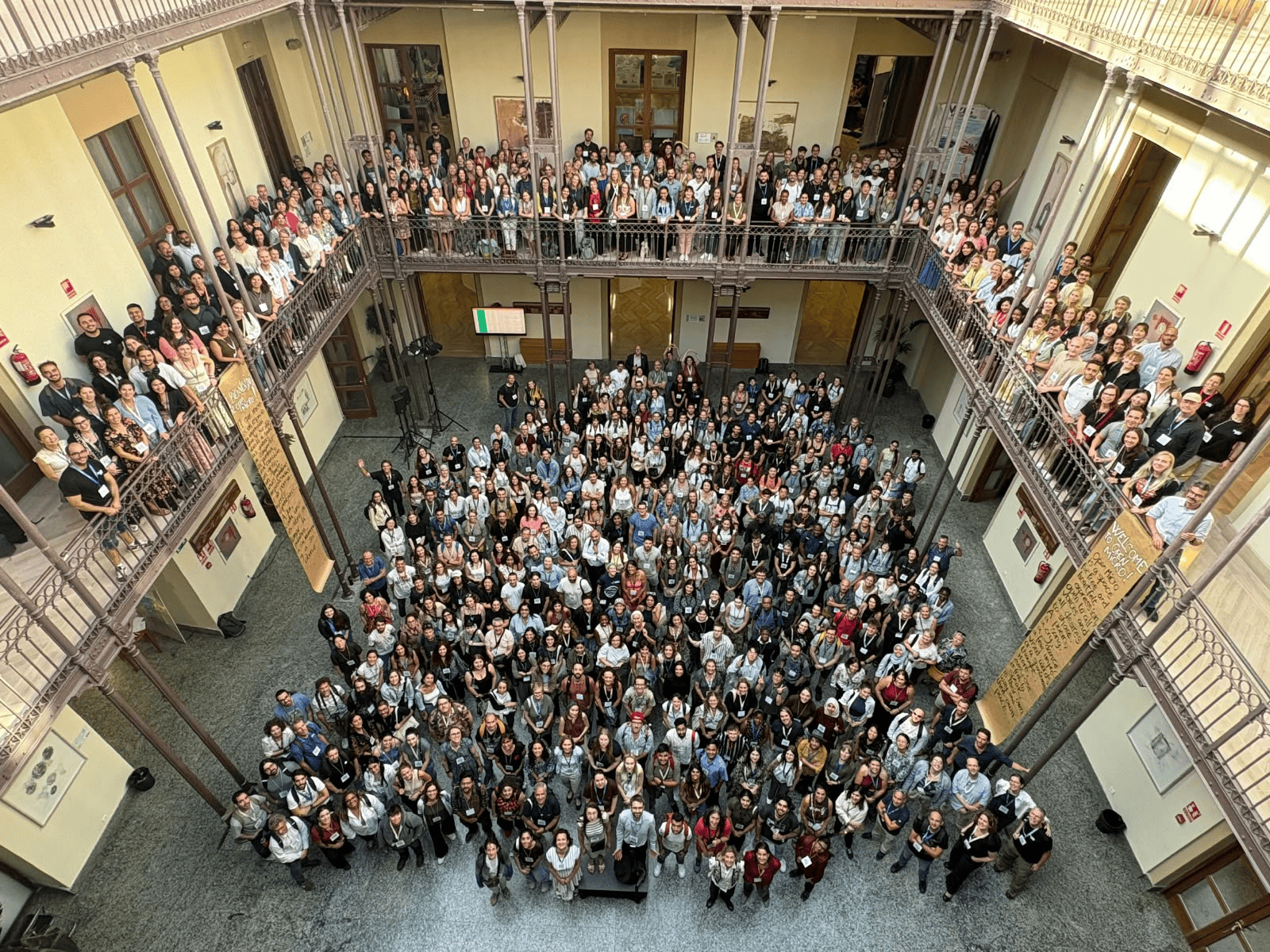
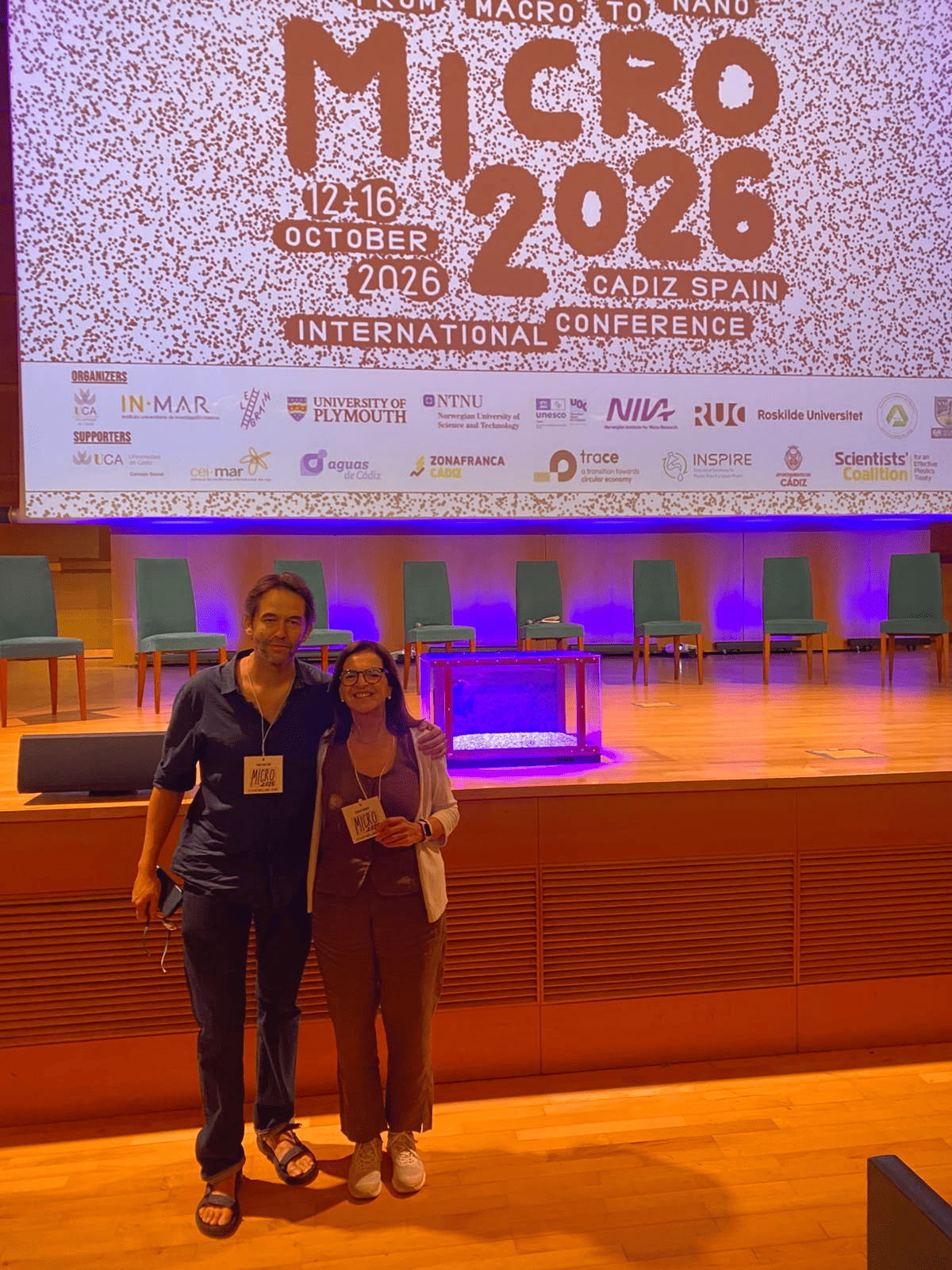
From October 12 to 16, the Edul@b research group and the UNESCO Chair in Education and Technology for Social Change participated in the MICRO 2026 conference in Cádiz—an international forum for the study of plastic pollution. Teresa Romeu served as a co-chair for several sessions, while Pablo Baztán was a member of the Organizing Committee; both are researchers at the Futures of Education in the Digital Age Research Centre (UOC-FuturEd) within the Faculty of Education at the Open University of Catalonia (UOC).
Plastic pollution represents one of the major environmental challenges today—a highly complex issue with global implications across economic, political, and social spheres. Against this backdrop, the MICRO 2026 conference brought together—over the course of five days—researchers, technical experts, students, policymakers, non-governmental organizations, and representatives from other sectors involved in the study and management of this problem.
With the participation of 850 scientists from around the world, MICRO 2026—in addition to being the largest global scientific congress on plastic pollution—incorporated artistic and theatrical projects centered on plastic pollution, the ocean, and the relationship between people and their environment.
Under the theme “Bridges” the edition in Cádiz sought to transcend the boundaries between scientific disciplines and connect research with other spheres of society. This philosophy was reflected both in the academic sessions and in the cultural and participatory activities that took place during the conference.
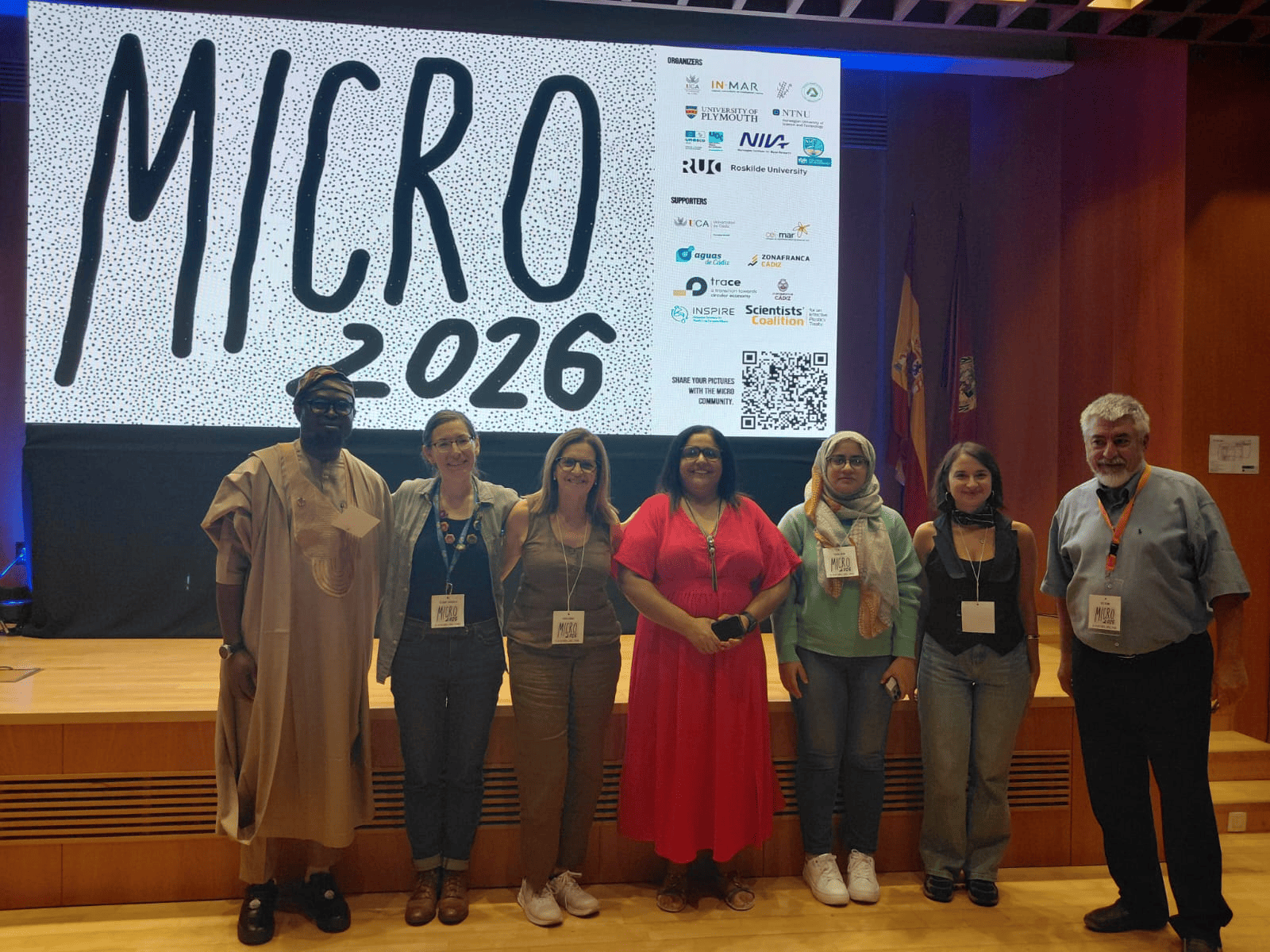
Thus, schools, community groups, and local organizations will participate in various initiatives linked to the congress, with the aim of bringing scientific debate beyond academic settings and fostering interaction between international specialists and the general public.
The organizing team was formed by Carmen Morales-Caselles, from the University of Cadiz; Bethany Jorgensen, from the University of New Mexico College of Pharmacy (United States); Pablo Baztán, from the Open University of Catalonia; Martin Wagner, from the Norwegian University of Science and Technology; Richard Thompson, from the University of Plymouth (United Kingdom); Vilde Kloster Snekkevik, from the Norwegian Institute for Water Research; Kristina Syberg, from Roskilde University (Denmark); Gara and José Goñi, from the Asociación Custodia del Territorio Papacría (Spain) and Lionel Jaffrès, from Le Grain (France).
The ubiquitous global presence of plastic and associated chemical substances, the resulting environmental and human health damage, and the need to advance scientific transdisciplinarity and the involvement of society as a whole were among the general conclusions of MICRO 2026.